Amboseli National Park
Elephants in the Shadow of Kilimanjaro
About Amboseli
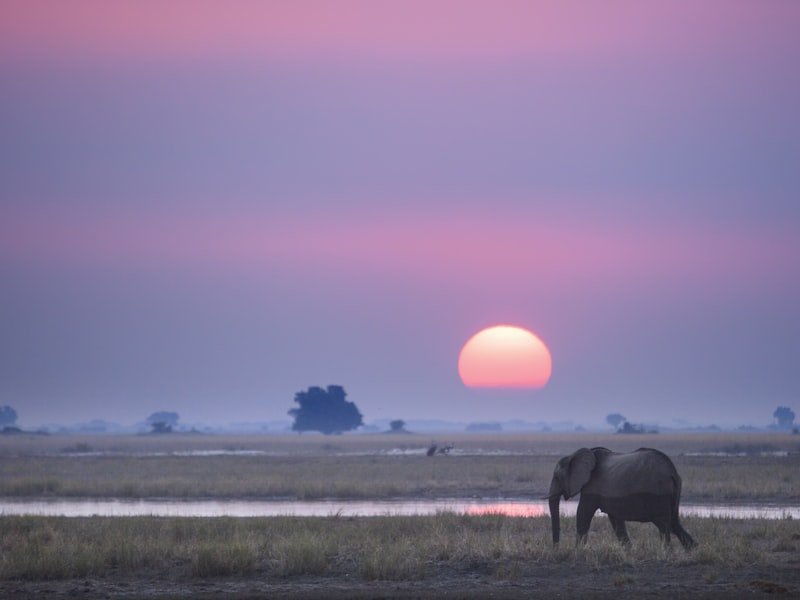
The park's diverse ecosystems include dried-up lake beds, sulphur springs, swamps fed by Kilimanjaro's underground meltwater, savannah grasslands, and acacia woodland. The permanent swamps at the heart of the park, including Enkongo Narok and Ol Tukai, act as magnets for wildlife during the dry season. Here you can photograph elephants wading through papyrus marshes with Kilimanjaro towering in the background, one of the most iconic images in African wildlife photography.
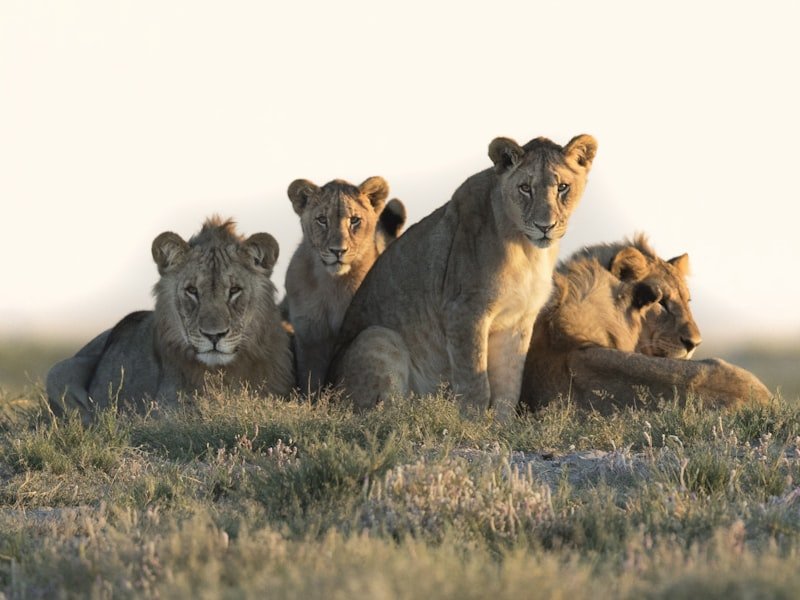
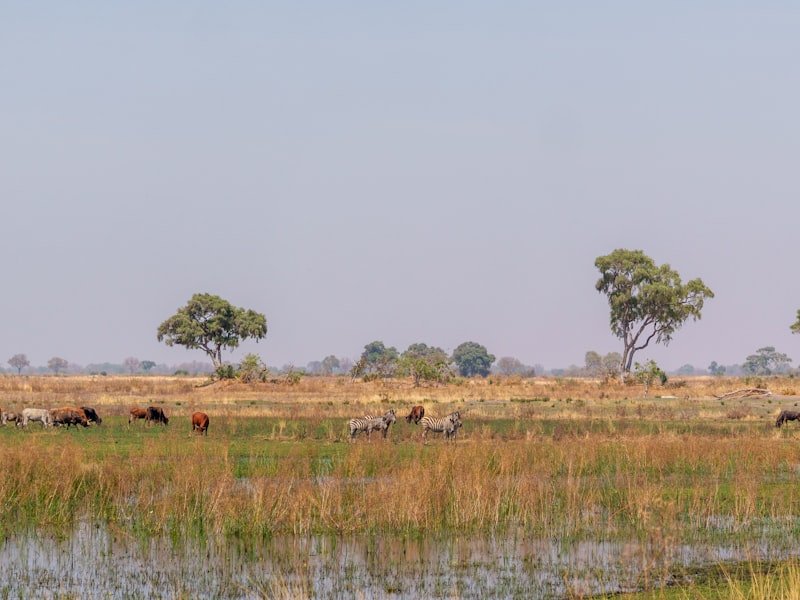
Beyond elephants, Amboseli supports healthy populations of buffalo, wildebeest, zebra, giraffe, hippo, and predators including lion and cheetah. The park is also an Important Bird Area with over 400 recorded species, from martial eagles to flamingos on the seasonal Lake Amboseli. The surrounding Maasai group ranches and conservancies extend the protected area significantly, providing space for wildlife corridors and opportunities for cultural interactions with the Maasai community.
Top Highlights
Iconic views of Mount Kilimanjaro, Africa's highest peak, as a backdrop to wildlife
Home to over 1,500 elephants, among the largest and best-studied populations in Africa
Observation Hill offers panoramic views across the entire park and its swamp systems
Over 400 bird species including flamingos, pelicans, and African fish eagles
Permanent swamps create lush oases that attract dense concentrations of wildlife year-round
Things to Do
Game Drives
Morning and afternoon drives through the park's diverse habitats offer close encounters with elephant herds, lions, cheetahs, and buffalo against the dramatic Kilimanjaro backdrop.
Photography Safaris
Amboseli is a photographer's paradise, with open terrain, reliable elephant sightings, and Mount Kilimanjaro providing a stunning compositional backdrop unique to this park.
Observation Hill Hike
A short climb to the summit of Observation Hill rewards visitors with sweeping 360-degree views across the park's swamps, plains, and the towering bulk of Kilimanjaro.
Maasai Cultural Experience
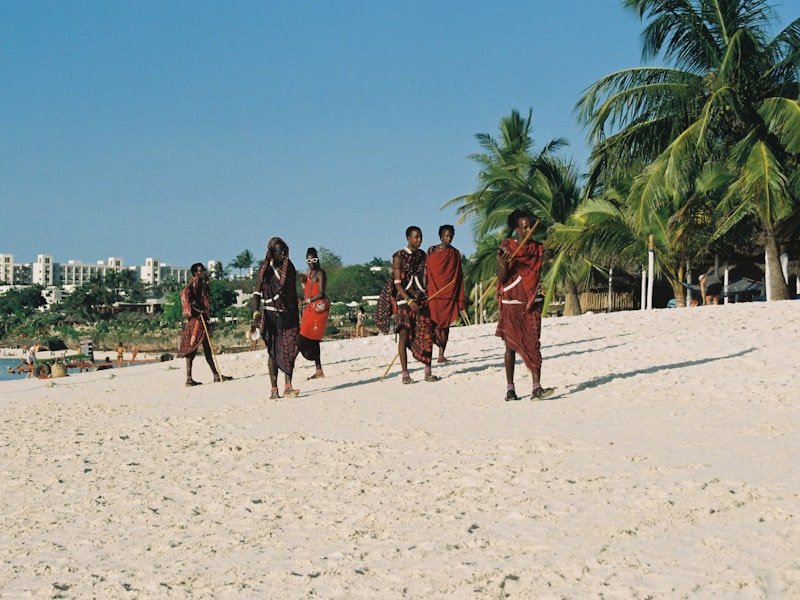
Visit Maasai communities in the surrounding group ranches to witness traditional dances, learn about their pastoral heritage, and browse handcrafted beadwork and jewellery.
Birdwatching
The park's swamps and seasonal lake attract an impressive variety of waterbirds and raptors, making Amboseli one of Kenya's top birding destinations.
What to Carry
- Camera with telephoto and wide-angle lenses for Kilimanjaro compositions
- Binoculars for birdwatching in the swamp areas
- Sunscreen and wide-brimmed hat for intense equatorial sun
- Dust mask or scarf for dry season lake bed drives
- Warm layers for cool mornings and evenings
- Comfortable walking shoes for Observation Hill
- Insect repellent for swamp areas
- Reusable water bottle to stay hydrated
Travel Notes
June to October (dry season) for the best Kilimanjaro views and wildlife concentration around swamps. January to February is another dry spell with good visibility and fewer visitors.
A scenic 4-hour drive from Nairobi via the Namanga road (240 km), or a 1-hour scheduled flight from Wilson Airport to Amboseli airstrip. The park is also a convenient stop en route to the coast or Tanzania.
2-3 nights allow for thorough game drives covering the different habitats and reliable Kilimanjaro sightings, which are best in early morning.
Photo Gallery
Interested in Amboseli?
Tell us about your dream trip and we'll create a personalized experience for you.