Samburu National Reserve
Where the Wild North Reveals Its Secrets
About Samburu
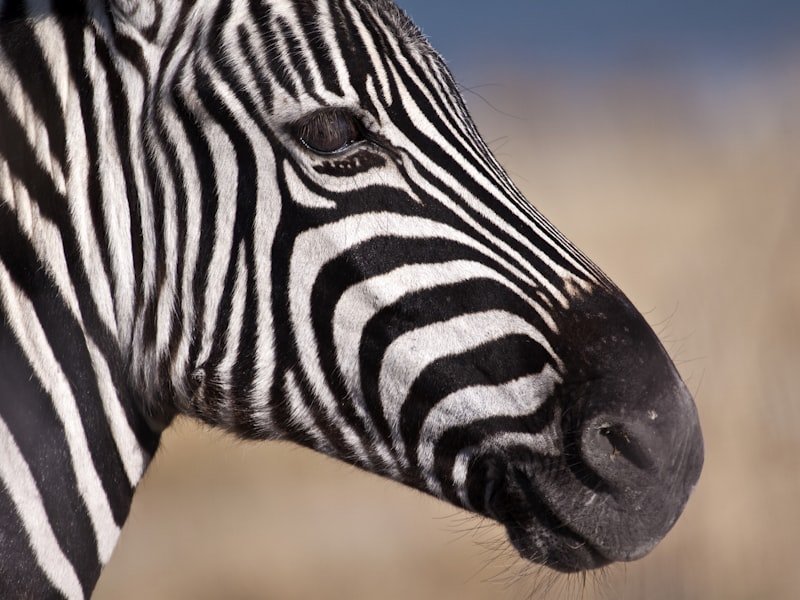
The Samburu Special Five are Grevy's zebra (the world's most endangered zebra species with its narrow stripes and large rounded ears), the reticulated giraffe (distinguished by its clean geometric patterning), the Beisa oryx (a striking desert antelope with long straight horns), the gerenuk (the long-necked antelope that stands on its hind legs to browse acacia), and the Somali ostrich (with its blue-grey neck). These charismatic species, combined with healthy populations of elephant, lion, leopard, cheetah, and wild dog, make Samburu a must-visit for wildlife enthusiasts seeking something beyond the mainstream.
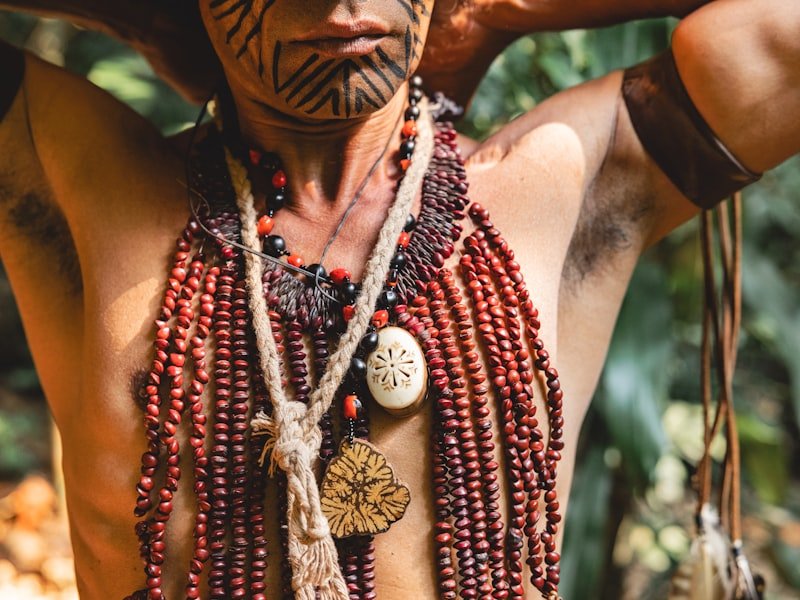
The Samburu and Buffalo Springs reserves together form a connected conservation area that also offers profound cultural encounters with the Samburu people, close relatives of the Maasai who have maintained their semi-nomadic pastoralist lifestyle, distinctive red-ochre hair styling, and elaborate beadwork traditions. The riverine forest along the Ewaso Ng'iro is a particularly productive game-viewing zone, where elephants wade, crocodiles bask, and leopards drape themselves over overhanging branches. With consistently warm weather, intimate luxury lodges, and a sense of untamed wilderness, Samburu delivers one of Kenya's most authentic safari experiences.
Top Highlights
Home to the Samburu Special Five: Grevy's zebra, reticulated giraffe, Beisa oryx, gerenuk, and Somali ostrich
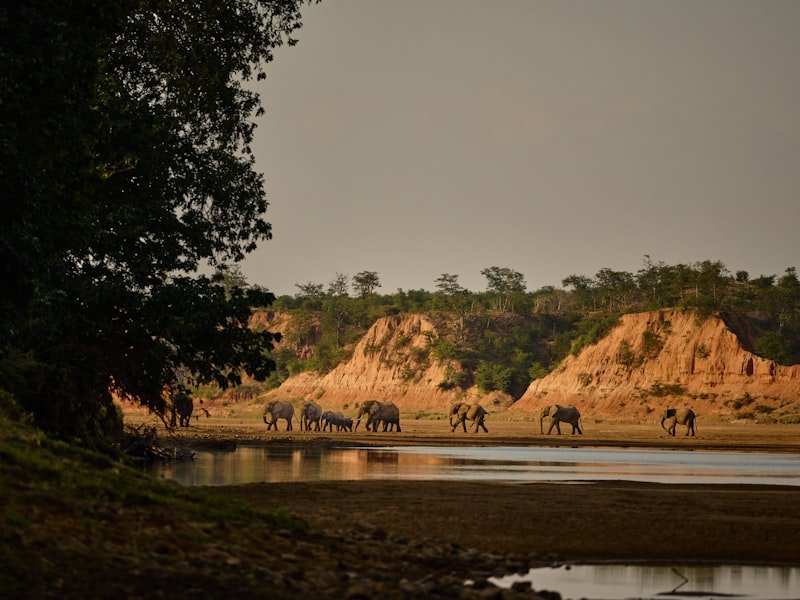
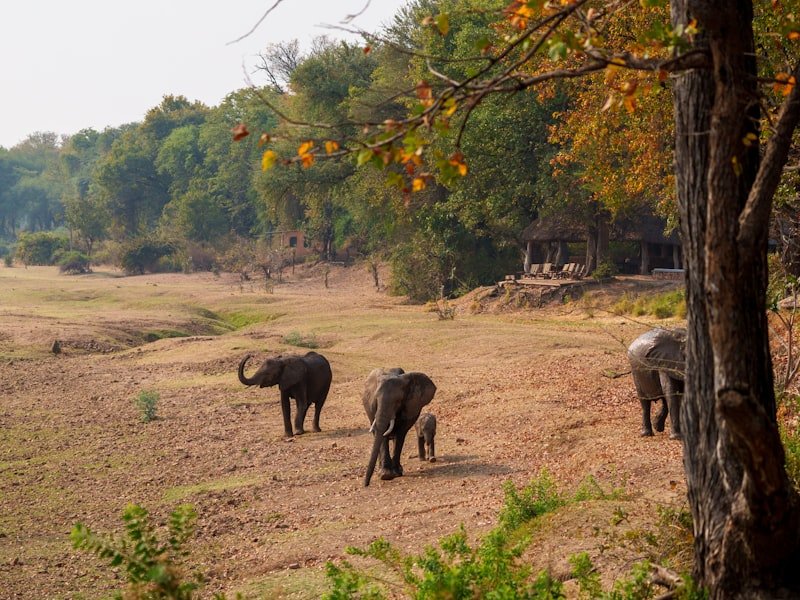
Ewaso Ng'iro River attracting dense concentrations of elephants, crocodiles, and leopards to its shady banks
Cultural encounters with the colourful Samburu people and their traditional warrior traditions
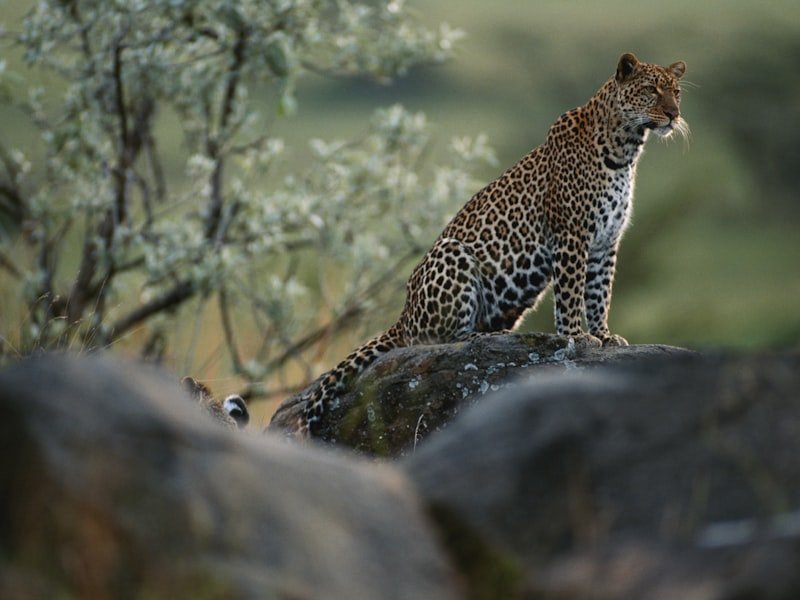
One of Kenya's best locations for spotting leopard resting in riverine trees along the Ewaso Ng'iro
Remote northern wilderness atmosphere with far fewer tourists than southern Kenya parks
Things to Do
Game Drives
Track the Samburu Special Five and Big Five through arid scrubland and along the lush Ewaso Ng'iro riverbanks, with expert local guides who know every animal by sight.
Samburu Cultural Visit
Visit a traditional Samburu manyatta to learn about their warrior culture, elaborate beadwork, rhythmic jumping dances, and semi-nomadic pastoral way of life.
Riverside Wildlife Viewing
Spend time along the Ewaso Ng'iro River watching elephant herds crossing, crocodiles basking, and leopards lounging in the overhanging fig and doum palm trees.
Guided Nature Walks
Walk with armed Samburu warriors through the bush, learning traditional tracking skills, medicinal plant uses, and survival techniques in this arid landscape.
Birdwatching
Over 450 bird species thrive here, including vulturine guineafowl, golden-breasted starlings, palm-nut vultures, and a variety of dry-country species unique to northern Kenya.
What to Carry
- Lightweight, breathable clothing for hot daytime temperatures
- Warm fleece for surprisingly cool evenings at altitude
- Camera with telephoto lens for riverside wildlife
- Binoculars for spotting the Samburu Special Five
- High-SPF sunscreen and wide-brimmed hat
- Dust-proof bag for electronics
- Insect repellent for riverine areas
- Comfortable closed-toe safari shoes
Travel Notes
June to October (dry season) when animals concentrate along the Ewaso Ng'iro River. January and February are also dry with good wildlife viewing. Avoid heavy rains in April-May and November.
A 5-6 hour drive from Nairobi (340 km) via Nanyuki and Isiolo, or a 1-hour scheduled flight from Wilson Airport to Samburu airstrip. Often combined with Ol Pejeta Conservancy or a Mount Kenya visit.
2-3 nights recommended to explore both Samburu and Buffalo Springs reserves and enjoy cultural activities.
Photo Gallery
Interested in Samburu?
Tell us about your dream trip and we'll create a personalized experience for you.