Lake Nakuru National Park
A Pink-Fringed Jewel of the Great Rift Valley
About Lake Nakuru
Beyond its avian fame, Lake Nakuru is one of Kenya's premier rhino sanctuaries, enclosed by an electrified perimeter fence that protects both black and white rhinos. The park has been instrumental in bringing the southern white rhino back from the brink of extinction in Kenya, and sightings of both species are remarkably reliable. The varied habitats around the lake include euphorbia forests on the eastern escarpment, rocky cliff faces, open grasslands, and patches of acacia woodland that shelter a healthy population of leopards, making Nakuru one of the best places in Kenya to spot this elusive cat.
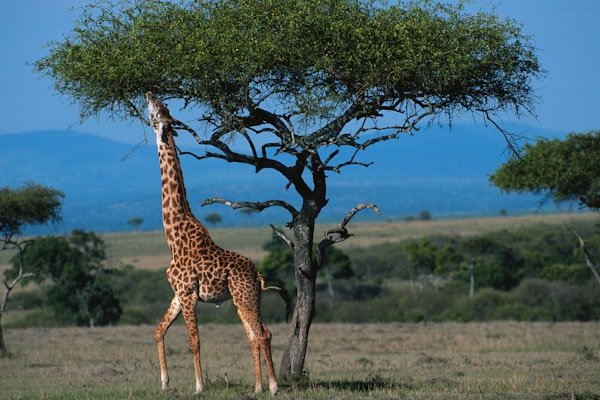
The park also supports populations of lion, buffalo, waterbuck, Rothschild's giraffe (introduced to the park as a conservation measure), and Bohor reedbuck. The escarpment viewpoints, including Baboon Cliff and Lion Hill, offer spectacular panoramas across the shimmering lake and the rift valley beyond. Lake Nakuru is ideally positioned as a stopover between Nairobi and the Maasai Mara, and its relatively small size means the main highlights can be covered in a well-planned day or two.
Top Highlights
Up to two million flamingos turning the lakeshore into a shimmering pink spectacle
One of Kenya's most important rhino sanctuaries with both black and white rhino
Excellent leopard sighting opportunities in the acacia woodland and rocky terrain
Baboon Cliff viewpoint offering sweeping panoramas across the Rift Valley lake
Home to endangered Rothschild's giraffe, introduced as a conservation sanctuary population
Things to Do
Game Drives
Circle the lake on well-maintained tracks, passing through diverse habitats from euphorbia forest to open grassland, with reliable sightings of rhino, leopard, lion, and buffalo.
Flamingo Viewing
Drive along the lake shore to witness vast congregations of lesser and greater flamingos feeding in the alkaline waters, a spectacle unique to East Africa's soda lakes.
Birdwatching
With over 450 species, the park offers superb birding including pelicans, cormorants, African fish eagles, Goliath herons, and numerous Palearctic migrants.
Baboon Cliff Viewpoint
Drive up to the dramatic cliff-edge viewpoint on the eastern escarpment for breathtaking panoramic views across Lake Nakuru and the surrounding Rift Valley.
Rhino Tracking
The park's fenced sanctuary provides some of Kenya's most reliable sightings of both critically endangered black rhino and the larger white rhino grazing on the open plains.
What to Carry
- Binoculars for birdwatching and flamingo viewing
- Camera with both telephoto and wide-angle lenses
- A good bird field guide for East Africa
- Light jacket for cool Rift Valley mornings at altitude
- Sunscreen and sunglasses for lakeside glare
- Comfortable clothing in neutral colours
- Insect repellent for woodland areas
- Reusable water bottle
Travel Notes
June to September and January to March for flamingo concentrations (varies with water levels). Rhino and other game viewing is good year-round. Avoid the heavy rains of April-May.
Approximately 2.5 hours from Nairobi (160 km) via the Nairobi-Nakuru highway. The park is a popular stop en route to Lake Bogoria, Lake Baringo, or the Maasai Mara.
1-2 nights is sufficient for the main highlights given the compact size of the park. Often combined with Lake Naivasha for a Rift Valley lakes circuit.
Photo Gallery


Interested in Lake Nakuru?
Tell us about your dream trip and we'll create a personalized experience for you.