Watamu
Kenya's Marine Biodiversity Jewel
About Watamu
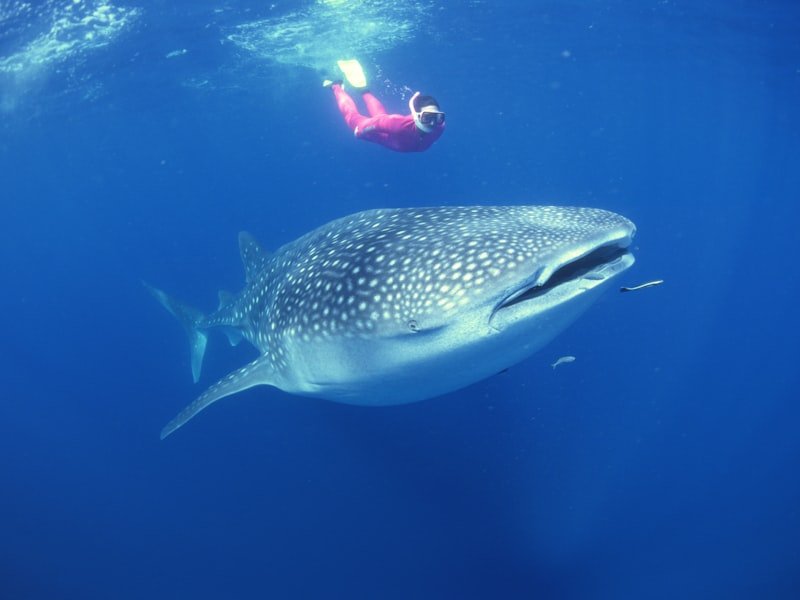
Watamu is internationally recognised as one of the most important sea turtle conservation sites in the western Indian Ocean. The Local Ocean Conservation centre (formerly Watamu Turtle Watch) runs a highly successful bycatch release programme and turtle rehabilitation centre, where visitors can watch sea turtles being treated and released. Between November and March, green, hawksbill, and olive ridley turtles nest on Watamu's beaches. The offshore waters also attract whale sharks between October and March, and swimming alongside these gentle giants is one of the most thrilling marine encounters available in Kenya.
Beyond the ocean, Watamu is the gateway to the Arabuko-Sokoke Forest, the largest remaining fragment of East African coastal forest and a globally important biodiversity hotspot. The forest shelters the endangered Aders' duiker, golden-rumped elephant shrew, and the Sokoke scops owl, species found almost nowhere else in the world. With its combination of pristine marine environments, world-class diving, turtle conservation, and rare forest ecosystems, Watamu punches well above its weight as a destination for eco-conscious travellers seeking an authentic coastal experience away from the crowds.
Top Highlights
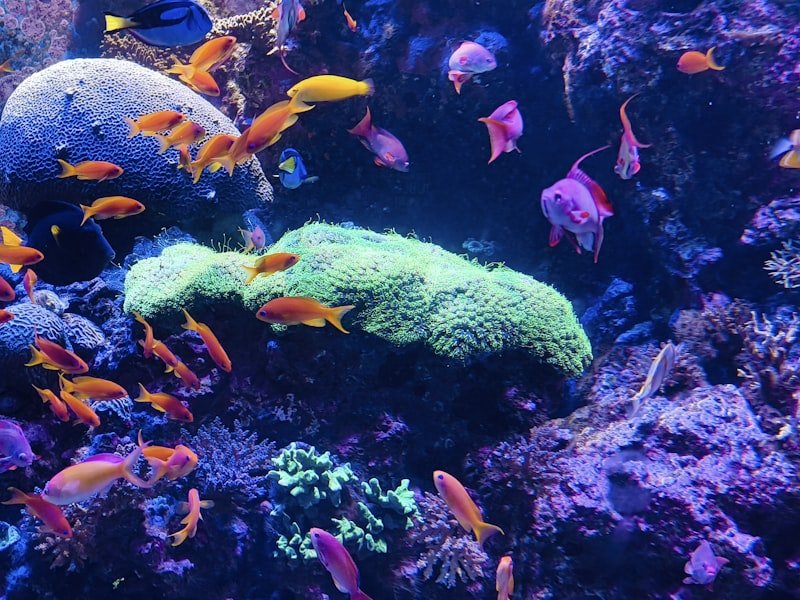
Watamu Marine National Park, East Africa's oldest marine park with pristine coral reefs and 600+ fish species
Sea turtle conservation centre with rehabilitation and bycatch release programmes visitors can join
Whale shark encounters between October and March in the warm offshore waters
The Blue Lagoon, a naturally formed crystal-clear swimming pool within the coral reef
Gateway to Arabuko-Sokoke Forest, home to globally endangered species found nowhere else
Things to Do
Snorkelling & Diving
Explore the protected coral gardens and fish-rich waters of Watamu Marine National Park, with visibility often exceeding 20 metres and healthy hard and soft coral formations.
Whale Shark Swimming
Between October and March, join responsible guided excursions to swim alongside whale sharks, the world's largest fish, in the warm waters off the Watamu coast.
Sea Turtle Conservation Visit
Visit the Local Ocean Conservation centre to learn about sea turtle rehabilitation, watch bycatch releases, and during nesting season, witness hatchlings making their way to the sea.
Arabuko-Sokoke Forest Walk
Hike through the largest remaining coastal forest in East Africa with specialist guides, searching for the rare golden-rumped elephant shrew, Aders' duiker, and Sokoke scops owl.
Blue Lagoon Visit
Wade and swim in the surreal turquoise waters of the Blue Lagoon at low tide, a naturally formed pool within the coral reef that offers safe, shallow snorkelling.
Deep-Sea Fishing
Watamu is a legendary big-game fishing destination, with marlin, sailfish, tuna, and dorado available on catch-and-release charters year-round.
What to Carry
- Reef-safe sunscreen to protect the marine park's fragile coral
- Snorkelling gear (or rent locally)
- Waterproof camera for underwater photography
- Reef shoes for wading and tidal pool exploration
- Light, breathable clothing and a beach cover-up
- Binoculars for forest walks and birdwatching
- Sturdy walking shoes for Arabuko-Sokoke Forest trails
- Insect repellent for forest excursions and evenings
Travel Notes
October to March for whale sharks and turtle nesting. July to October for dry weather and good diving visibility. December to March is the peak season with the warmest weather and calmest seas.
About 2 hours from Mombasa (120 km) via the coastal road, or a 20-minute drive from Malindi. Scheduled flights from Nairobi's Wilson Airport to Malindi airport (1 hour) connect easily to Watamu by road transfer.
3-4 nights to enjoy the marine park, turtle conservation, forest walk, and at least one whale shark or diving excursion.
Photo Gallery
Interested in Watamu?
Tell us about your dream trip and we'll create a personalized experience for you.