Lamu Island
A Living Swahili Treasure on the Indian Ocean
About Lamu Island
Lamu has been a centre of Islamic learning and Swahili poetry for centuries, and its culture remains deeply traditional. The island comes alive during the annual Maulidi festival, a week-long celebration of the Prophet Muhammad's birthday featuring dhow races, donkey races, poetry recitations, and traditional music that draws visitors from across the Muslim world. The Lamu Museum, located in a grand Swahili warehouse on the waterfront, houses an excellent collection documenting the island's maritime history, Swahili culture, and the traditions of the Bajuni and Orma peoples.
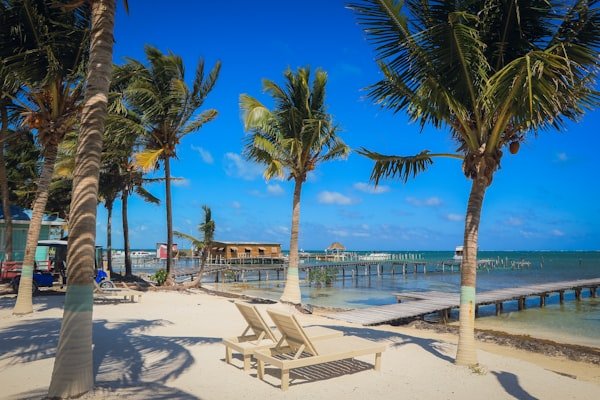
Beyond the historic town, the Lamu Archipelago offers pristine beaches, particularly the vast, deserted 12-kilometre sweep of Shela Beach, where you can walk for miles without seeing another person. The surrounding waters are perfect for dhow sailing, snorkelling, and fishing. Manda Island, a short boat ride away, offers mangrove explorations and the atmospheric ruins of Takwa, another abandoned Swahili settlement. The Kipungani area on Lamu's southwestern tip has some of the most exclusive and secluded beach lodges in East Africa. Lamu is a destination that rewards slow travel, inviting visitors to disconnect from the modern world and immerse themselves in a culture that has remained remarkably unchanged for centuries.
Top Highlights
Lamu Old Town, a UNESCO World Heritage Site and the oldest inhabited Swahili settlement in East Africa
Shela Beach, a pristine 12-kilometre stretch of white sand with virtually no other visitors
Traditional dhow sailing excursions through the archipelago's turquoise waters and mangrove channels
Intricately carved Swahili doors, coral-stone architecture, and centuries-old cultural traditions
The annual Maulidi festival with dhow races, poetry, and traditional music celebrations
Things to Do
Lamu Old Town Walking Tour
Explore the narrow car-free streets of the UNESCO World Heritage Site with a local guide, discovering centuries-old Swahili architecture, carved doors, hidden courtyards, and the waterfront museum.
Traditional Dhow Sailing
Sail through the archipelago on a traditional wooden dhow, visiting sandbanks, snorkelling spots, and the mangrove-fringed channels between Lamu, Manda, and Pate islands.
Shela Beach Day
Spend a day on the vast, virtually empty expanse of Shela Beach, with nothing but white sand, warm turquoise water, and the occasional dhow passing on the horizon.
Swahili Cooking Class
Learn to prepare traditional Swahili dishes using fresh seafood, coconut, tamarind, and aromatic spices in a local home or boutique hotel kitchen overlooking the waterfront.
Takwa Ruins Excursion
Take a boat to Manda Island and walk through the atmospheric ruins of Takwa, an abandoned 15th-century Swahili settlement set among baobab trees beside the creek.
Sunset on the Rooftops
Climb to the rooftop terraces of Lamu's historic buildings to watch the sun set over the archipelago while the call to prayer echoes across the old town below.
What to Carry
- Modest, respectful clothing (Lamu is a conservative Muslim community; shoulders and knees should be covered in town)
- Light headscarf for women visiting mosques
- Comfortable walking shoes for uneven coral-stone streets
- Sunscreen and hat for beach days and dhow trips
- Swimwear (for beach areas and boat excursions only)
- Camera for the stunning architecture and waterfront scenes
- Cash (ATM availability is limited on the island)
- Insect repellent for evenings and mangrove excursions
Travel Notes
December to March for hot, dry weather and calm seas. July to October is also dry but windier, excellent for dhow sailing. The Maulidi festival typically falls between October and December (date varies with the Islamic calendar).
Daily scheduled flights from Nairobi and Malindi to Lamu's Manda Island airport (about 1.5 hours from Nairobi), followed by a short boat transfer to Lamu town. There is no practical road access to the island.
3-4 nights minimum to properly absorb Lamu's pace and culture. Many visitors stay longer, as the island's unhurried atmosphere encourages slow, immersive travel.
Photo Gallery


Interested in Lamu Island?
Tell us about your dream trip and we'll create a personalized experience for you.